Wood Identification
Teak: Identification, Value, and Real Examples
Practical guide to teak wood: what teak is, photo-checkable ID clues, typical resale ranges, common lookalikes, and safe next steps for verification.
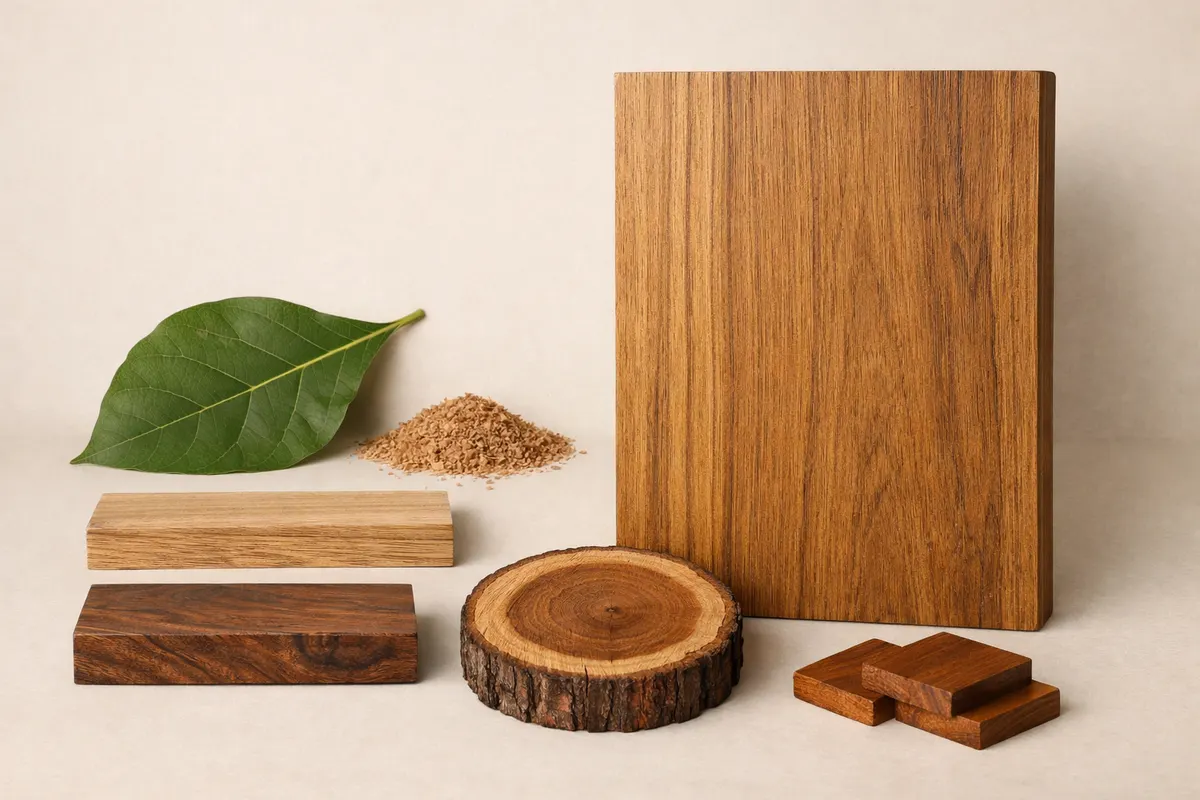
What teak wood is and where it’s used
Teak wood is a tropical hardwood primarily from species in the Tectona genus, most commonly Tectona grandis. Grown across Southeast Asia and now in plantations worldwide, genuine teak is valued for its dense grain, natural oils, and weather resistance. Those properties make it a popular choice for outdoor furniture, boat decking, and fine indoor joinery.
In practice, when people refer to ‘teak furniture’ they usually mean boards sawn from mature Tectona trees or reclaimed timber from older structures. Plantation teak can look similar but may differ in color uniformity, oil content, and grain width compared with old-growth timber. Age, finish, and exposure change the visible traits more than species alone, so context is important when identifying pieces from photos.
Because teak contains natural oils and silica, it resists rot and insect damage better than many hardwoods. That same oil can make finishes adhere differently and gives freshly cut teak a slightly soapy or oily touch. These chemical traits explain why teak is common for marine use and for pieces that remain outdoors for decades.
- Common uses: outdoor furniture, boat decks, high-end flooring, and reclaimed architectural timber.
- Typical origin: Southeast Asia (native), with large-scale plantations in Asia, Africa, and Latin America.
- Physical highlight: oily surface, straight to interlocked grain, and a golden-brown heartwood when freshly sawn.
How to identify teak wood in photos?
Start with color and grain visible in the photo. Fresh teak heartwood typically shows a warm golden to medium brown that ages to a silvery patina outdoors. Look for straight to slightly wavy grain lines and medium, even pores that run along the grain; close-up photos under diffuse light are the most useful.
Check texture and surface oil clues. Teak often has a slightly oily sheen even when unfinished; light reflecting off the surface can look satin rather than matte. In high-resolution images, tiny oil-filled pores and a faint silkiness are good signs, but finish, polish, or recent oiling will change that appearance.
Examine end grain when available. End-grain photos reveal pore size and ray patterns: teak shows medium-sized pores in visible bands and short rays that can appear as fine radial lines. If the end grain looks overly uniform with no visible pores, it may be a veneered or composite surface.
Contextual clues matter. Screws, joinery style, tool marks, and provenance notes in the photo’s surroundings can point to likely teak sources—marine fittings, teak garden furniture, or antique joinery each suggest different expected wear. Always combine multiple visible clues: color, grain, pore pattern, and surface oil together give the best photo-based indication.
- Look for golden-brown heartwood that patinas to silver outdoors.
- Surface sheen: slightly oily or satiny reflection even when unfinished.
- End grain: medium pores in bands and fine rays visible in close-ups.
- Provenance cues: marine hardware, joinery type, and weathering patterns.
Teak wood: key specs and identification facts
The table below summarizes material attributes a photographer or buyer can check visually or mention when seeking further verification. These are observable at a glance in photos or after straightforward, non-destructive checks.
Keep in mind that exact values vary by tree age, growing region, and whether the wood is sawn, quartered, or reclaimed; use these specs as photo-checkable reference points rather than laboratory certs.
| Attribute | Typical value | Notes to check in photos |
|---|---|---|
| Species / composition | Tectona spp. (T. grandis most common) | Look for warm brown heartwood and straight to interlocked grain |
| Color | Golden brown (fresh) → silver-grey patina (weathered) | Compare shaded vs direct-light photos for patina |
| Grain / pores | Medium pores, straight to wavy grain | Close-up or macro photos show pores in lines along grain |
| Surface oil | Moderate natural oil content | Satin sheen or tiny oil-filled pores visible on close inspection |
| Common uses | Outdoor furniture, decking, joinery | Look for marine fittings, slatted construction, or weathering |
- Hardness varies by source but is in the hardwood range and feels denser than softwoods like pine.
- Natural oils reduce water absorption and change how finishes look and wear.
- Aging and exposure strongly affect surface color—indoor and outdoor pieces can look quite different.
What teak wood pieces typically sell for secondhand
Secondhand values for teak vary widely with age, source, condition, and provenance. Rather than a singular appraisal, think in market tiers: reclaimed old-growth and well-documented designer pieces sit at the top, while small, unfinished or damaged boards sit at the low end. Always treat photo-based estimates as provisional and seek inspection for formal appraisals.
Condition and origin are the dominant value drivers. Reclaimed teak from boats or colonial structures often commands a premium because of dense grain, patina, and salvage rarity. Conversely, plantation-grown teak and veneered products typically sell for less despite similar surface appearance in photos.
| Tier | Typical resale range (USD) | What commonly drives this tier |
|---|---|---|
| Premium reclaimed/antique | $800–$6,000+ (large pieces or sets) | Old-growth origin, documented provenance, designer or marine salvage |
| Solid, good-condition furniture | $200–$1,200 | Well-constructed indoor/outdoor furniture with minimal damage |
| Small solid boards / raw lumber | $20–$200 | Short lengths or offcuts; condition and thickness matter |
| Veneers, laminates, or poor condition | $0–$150 | Thin veneer over cheap substrate or heavy damage/repairs |
- Top drivers: provenance, age (old-growth vs plantation), finish, and structural condition.
- Photo limits: surface looks can mask repairs, veneers, or bonded substrates that reduce value.
- If value matters, document joinery, end grain, fasteners, and any maker’s marks before relying on images alone.
Materials often mistaken for teak and how to spot differences
Several woods and man-made surfaces can mimic teak visually in photos. The most common lookalikes are oak, iroko, and teak veneers over cheap substrates. Each has tell-tale differences a careful image inspection can reveal.
Visual checks to prioritize are pore pattern, end-grain structure, and consistent oil sheen. Veneers often show repeating grain patterns and perfectly consistent thickness across edges; solid boards show natural, non-repeating grain flow and end-grain that matches face grain.
- Iroko: similar golden brown tone but usually coarser pores and less oily sheen.
- Oak: more prominent rays and a coarser, open-pore structure visible in close-up photos.
- Veneer / laminate: repeating grain patterns, visible seam lines, or paper-like edges.
- real teak vs fake teak
Care and handling for teak wood items
Routine care starts with cleaning and deciding whether to preserve the golden fresh color or allow the silver patina. For outdoor teak, mild soap and water remove dirt; avoid harsh abrasives that strip natural oils. If you prefer the original tone, apply teak oil sparingly to recondition weathered surfaces, but recognize oil changes surface sheen and may require reapplication.
Indoor teak benefits from controlled humidity and regular dusting. Avoid prolonged contact with hot pans or standing water which can blacken or stain the surface. For repairs, prefer mechanical joinery and stainless fasteners to prevent staining from iron.
When photographing for identification or valuation, include a macro shot of the end grain, a shot of the full surface in diffuse light, and contextual images that show hardware and overall construction. Those images make it easier to judge condition and authenticity without invasive testing.
- Cleaning: mild detergent, soft brush, rinse, and dry—no bleach.
- Finish choices: teak oil for color refresh or leave to weather for low-maintenance patina.
- Storage: stable humidity and away from direct heat to limit cracking.
Frequently asked questions
How to identify teak wood on an outdoor bench photographed in sunlight?
Check the surface color and grain continuity: teak outdoors will often have a silvered patina but still show straight to slightly wavy grain and medium-sized pores in close-ups. In sunlight, oily sheen may produce a satin reflection; if the board looks overly glossy or the grain repeats exactly, suspect finish or veneer. Include an end-grain close-up and a shaded photo to distinguish patina from artificial finishes.
Real teak vs fake teak: how can I tell if my patio table is genuine?
Start by inspecting end grain and pore structure in close photos. Genuine teak shows medium pores in bands and subtle rays, plus a slightly oily texture; fake teak (or veneers) often reveals repeating grain patterns, thin face layers at edges, or uniform pores that don't match the end grain. Look for construction clues—solid teak furniture commonly uses stainless fasteners and has thicker boards than veneered pieces.
What visible signs mean a piece labeled teak might be teak veneer and not solid wood?
Visible repeating grain, seams at edges where thin layers wrap corners, or very uniform thickness at board ends suggest veneer. Also check for mismatched end grain: if the end grain pattern does not continue from the face, the top is likely a veneer. Close-up photos of the board edge under diffuse light make these differences obvious.
Can I estimate the resale value of teak from photos alone before getting an inspection?
You can form a cautious estimate by checking provenance clues, construction quality, condition, and whether the piece looks reclaimed or plantation-grown. Use market tiers—premium reclaimed, solid furniture, small boards, or veneers—to bracket likely ranges, but treat photo estimates as provisional. For any significant sale or insurance use, have a qualified appraiser inspect the item in person.
Related guides
Compare your photo against teak clues with Wood Identifier - Wudora
Use the Wood Identifier - Wudora app on your device to run a first-pass comparison of your piece against the teak clues on this page. Capture a clear, shaded surface shot plus an end-grain close-up and a context photo of the joinery, then check Wudora to highlight matching visual traits. Treat the app’s result as an early guide and consider an in-person inspection for high-value pieces.