
Oak (likely red oak)
By Tomas Alder
Learn which how to identify red oak details a photo can prove, which it cannot, and the follow-up checks worth doing before you rely on the answer.
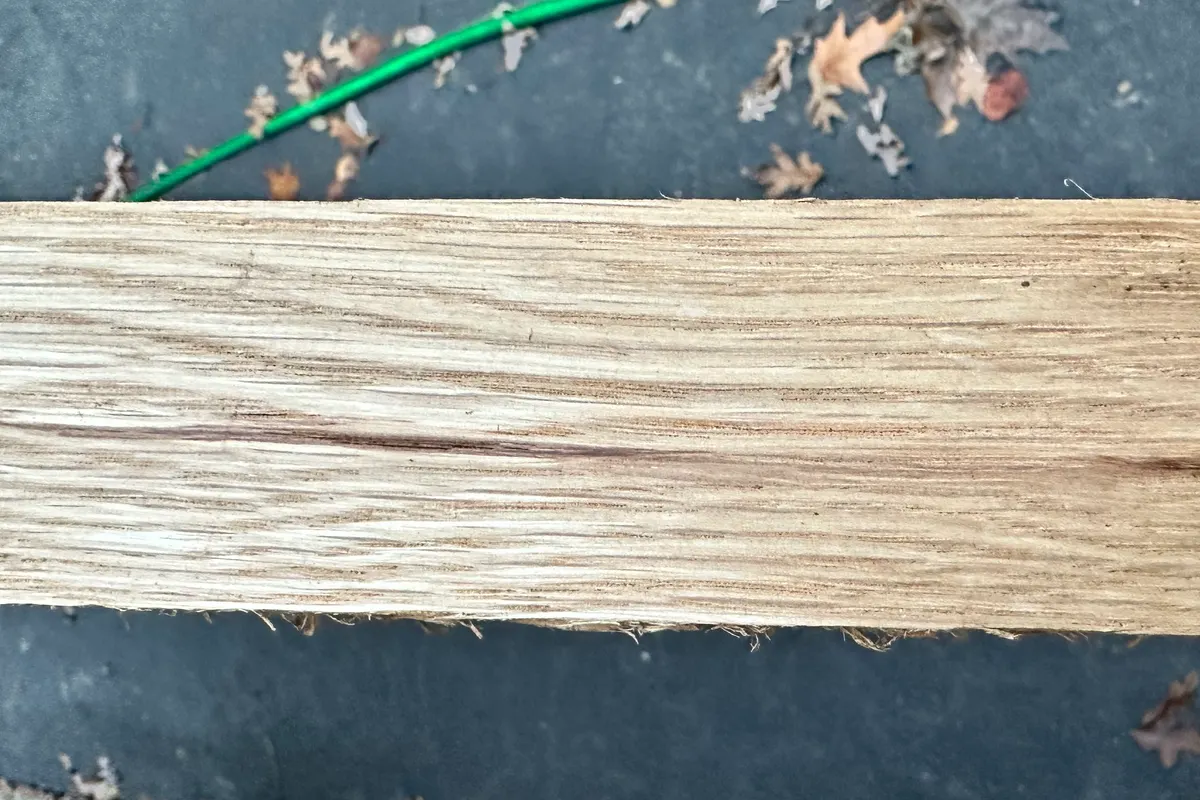
Identification summary
This record is a focused example of how to identify red oak from photographs. The scan metadata tied to this example reports Origin: Temperate North America (common commercial source) and records the identification timestamp at 2026-10-12T23:10:05.765Z.
The scan's confidence field is null, so no numeric or categorical confidence score was supplied with the record. That absence means a photo-based identification should be treated as an initial visual assessment rather than a final, appraisal-grade conclusion.
The narrative below explains which photo-visible attributes commonly point toward red oak, which details this particular scan confirms (origin and timestamp), and which checks a photograph alone cannot resolve.
Origin
| Reported origin | Temperate North America (common commercial source) |
|---|
Material
| Species / group | Not reported in scan metadata — this example is presented as a red oak case study but the scan fields provided only origin and timestamp |
|---|
Condition
| Condition data | Not provided in scan metadata |
|---|
Physical Details
| Scan details available | Identification timestamp present; no size, finish, or value fields supplied |
|---|
Authentication
| Confidence | No confidence score supplied in scan (field is null) |
|---|
Historical Significance
| Context provided | None specific to the item in the scan; supplemental historical context is included in the article |
|---|
Historical context
Red oak has long been a commercial staple in temperate North America for flooring, furniture, and millwork because of its workability and availability. That market role explains why a scan tied to a commercial-origin note is common for red oak examples.
Photographs can show the surface clues designers and restorers rely on, but provenance, age, and value typically require physical inspection or documentary provenance beyond what a single photo or a minimal scan record provides.
Red oak identification: a photo-first example
How to identify red oak begins with the same principle shown by this scan record: treat photographs as targeted evidence, not a full provenance file. The attached scan supplies a timestamp (2026-10-12T23:10:05.765Z) and a reported origin of Temperate North America (common commercial source). Those metadata points are useful context but do not alone confirm species or age.
Photographs are most helpful when they document repeatable, diagnostic features: surface pore arrangement at a consistent scale, visible ray structure where present, and clear images of exposed edges or end grain. In an example like this, a photo-first workflow should prioritize multiple angles and a labeled set of comparison shots rather than a single image.
Because the scan's confidence value is null, regard the record as a photographic identification example. The narrative below explains which attributes a photo can strongly suggest, what this scan confirms, and what requires further physical checks or provenance.
- Scan-confirmed facts: Origin — Temperate North America; identification timestamp — 2026-10-12T23:10:05.765Z.
- Photo-evidence to collect: face grain close-up, end grain, exposed edge, and a scale reference (ruler or coin).
- Limits of photos: cannot independently verify age, prior repairs, internal construction, or market value.
Attribute highlights
For the practical question of how to identify red oak, some attributes matter more in photos than others. Pore pattern (typically ring-porous in oaks), visible radial rays, and the arrangement of growth rings are photo-friendly clues. Where visible, the color and contrast between earlywood and latewood can support an identification when paired with pore structure.
This scan explicitly reports only origin; it does not list material or finish details. Because of that, the example must separate which attributes come from the scan and which are inferred from typical red oak features photographers should seek.
A photograph cannot confirm internal characteristics such as the wood's heartwood/sapwood boundary under finishes, nor can it reliably establish provenance or market-grade value. Those require physical inspection, cross-section sampling, or documentary evidence.
When evaluating a photo record, compare the visible surface with exposed edges and any revealed end grain. Veneer or surface stain can hide species-level identifiers; always look for joins, end-grain glimpses, or unfinished edges in the same item to reduce misidentification risk.
- What the scan confirms: origin and timestamp — useful for sourcing context but not species certainty.
- Photo-positive clues: ring-porous pore pattern, prominent rays on quarter-sawn faces, strong latewood contrast.
- Photo-limits to note: finishes, stain, and veneer can mimic red oak tones; photos rarely prove authenticity or value.
Historical context
Red oak is one of several economically important oaks in North America; it is commonly used for flooring, furniture, and millwork because it machines cleanly and accepts a range of finishes. Those commercial uses explain why many scan records list Temperate North America as the origin.
Within the broader group of types of oak wood, red oak tends to show more open pores and stronger contrast between earlywood and latewood than some white oaks, and it often appears in projects where availability and workability are priorities. That context helps when you compare photos from a salvage piece, vintage furniture, or flooring sample.
For further reading on species-level clues and documented examples, see the site's reference pieces: Red Oak: Identification, Value, and Real Examples and Types of Oak Wood: Visual Clues and Safe Next Steps, which provide additional comparison photos and follow-up checks.
- Market note: red oak's availability makes it common in mid-century and contemporary furniture.
- Conservation note: finishes and wear often obscure diagnostic pores in older pieces—document edges and end grain for best results.
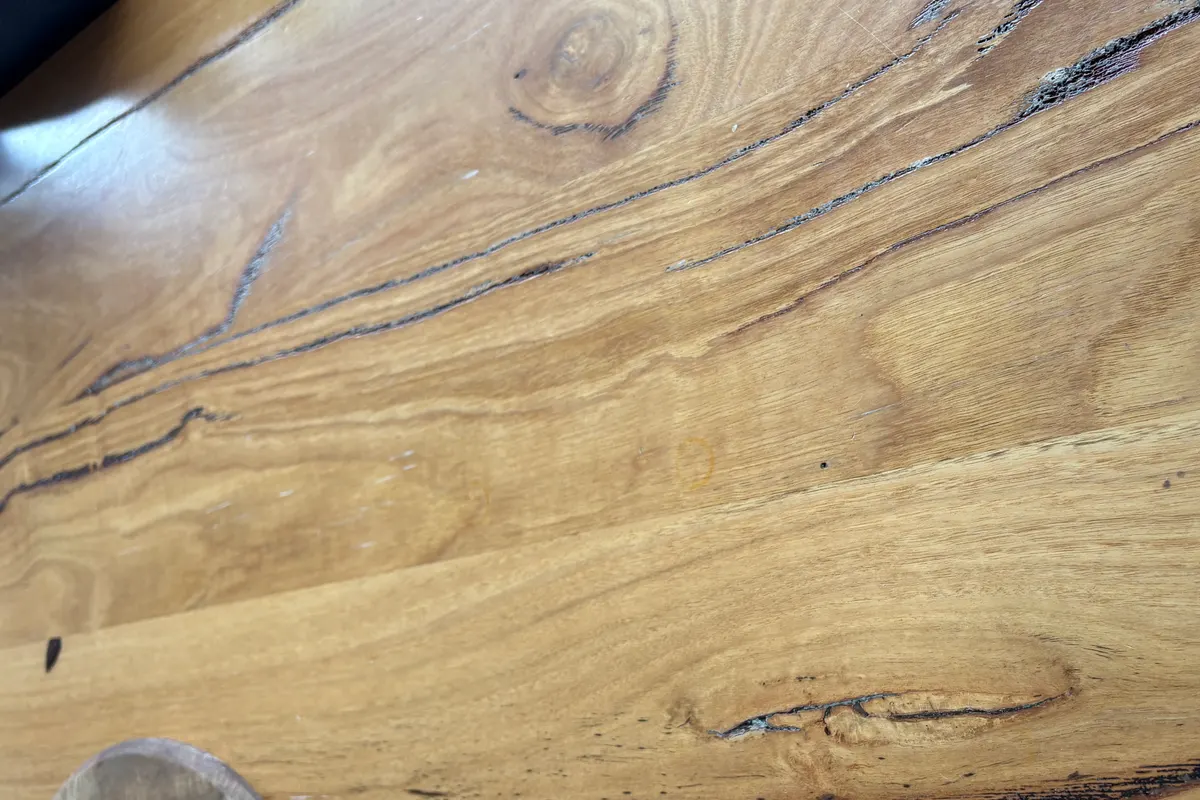
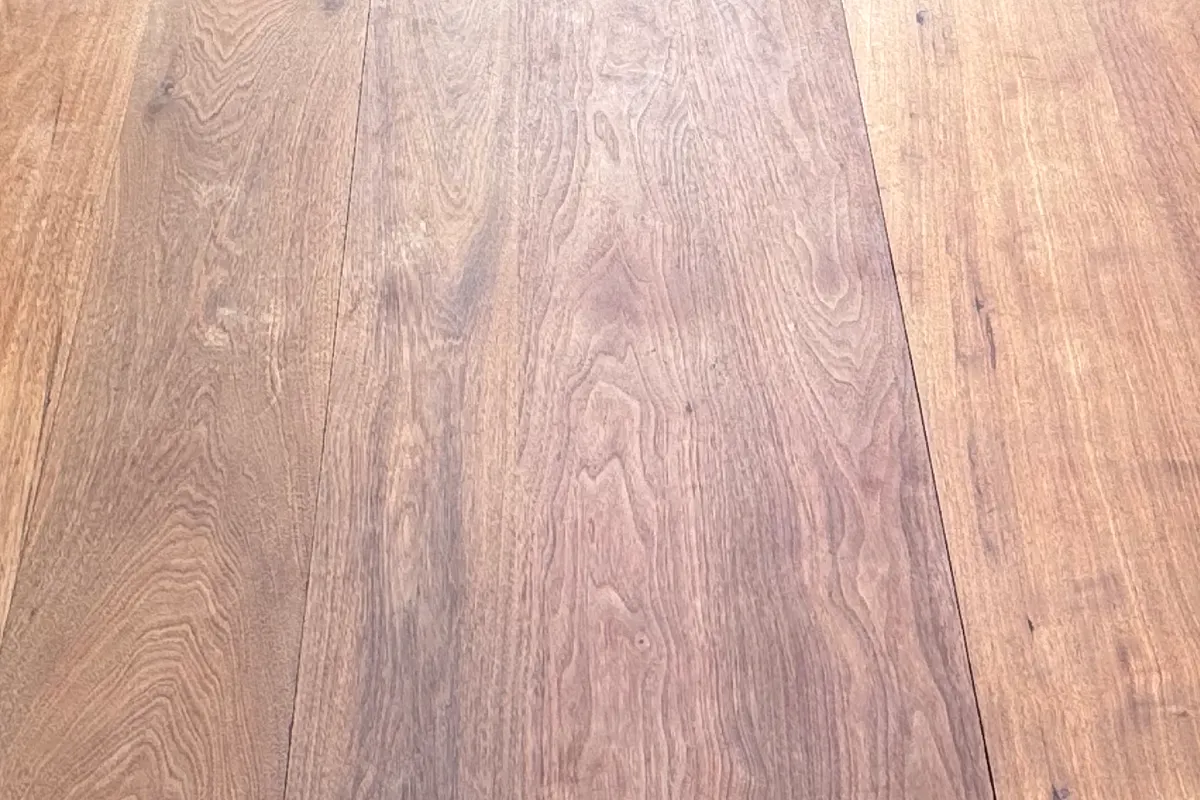
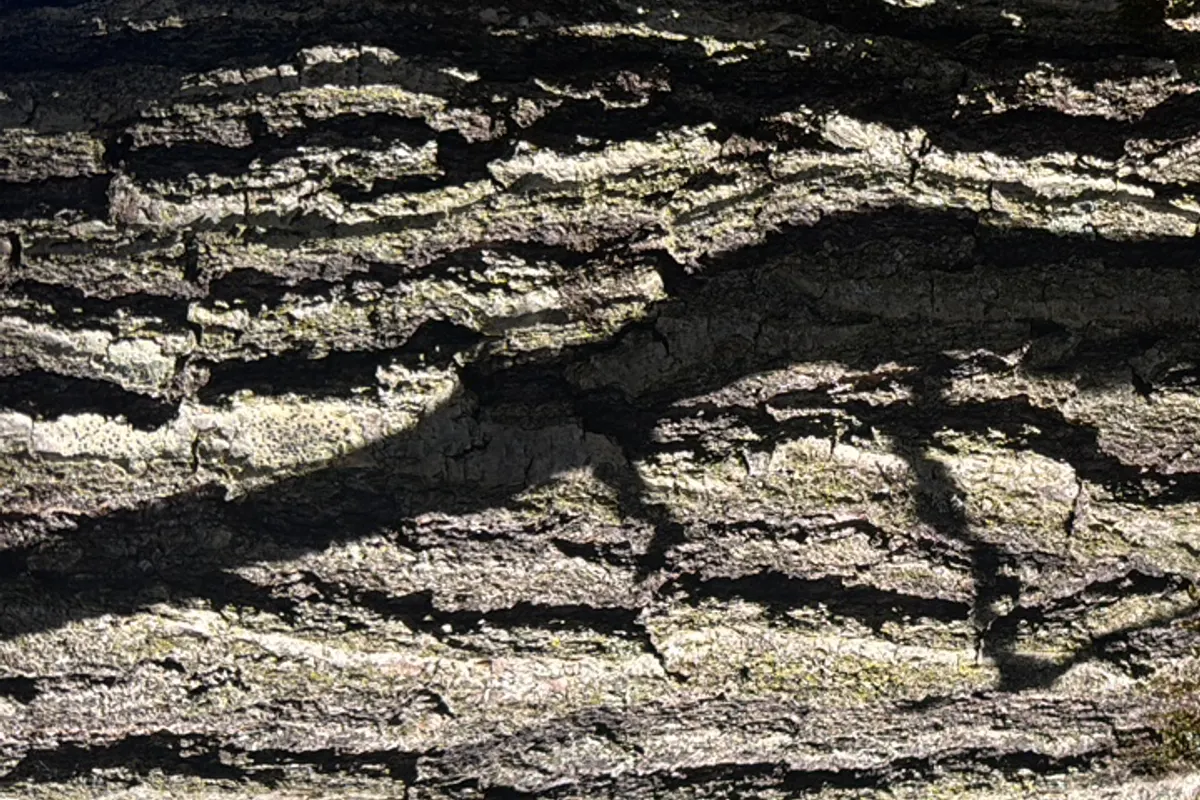
More Types Of Oak Wood identifications
Related guides
Compare your red oak photos with Wood Identifier - Wudora
After you document face grain, exposed edges, and end grain, use Wood Identifier - Wudora to organize your shots and compare them to reference examples. The app helps you keep evidence aligned with the visual clues described here and points you to next steps if a photo-based ID remains uncertain. Start at https://woodidentification.app/ to learn more.
Take the next step →Frequently asked questions
Can a single photo reliably identify red oak when I'm checking a floorboard?
A single photo can suggest red oak if it clearly shows ring-porous pores and the characteristic grain contrast, but it is rarely definitive. For floorboards, add an end-grain shot, an exposed edge, and a scale reference. Also check for finishes and veneer that could mask true surface clues.
What photo angles best support how to identify red oak in furniture?
Best angles are a close face-grain shot at consistent scale, an end-grain or exposed edge image, and a quarter-sawn face if available. Quarter-sawn images often reveal ray flecks used to distinguish oak subgroups in photos.
How do I tell red oak from white oak in a comparison photo set?
In photos, red oak often shows more open pores and stronger earlywood/latewood contrast; white oak commonly has tighter pores and a paler, more even tone. Use multiple views and note that surface finish and stain can hide these differences—look for end grain and rays where possible.
When should I use Wood Identifier - Wudora after I gather photos?
Use the app as a next step to organize your images, compare visible clues side-by-side, and link photos to reference examples. Treat the app as a first-pass tool to prioritize which pieces need physical inspection or professional review rather than as a final authentication.