
European Oak (likely white/English oak)
By Tomas Alder
Learn which english oak wood details a photo can prove, which it cannot, and the follow-up checks worth doing before you rely on the answer.
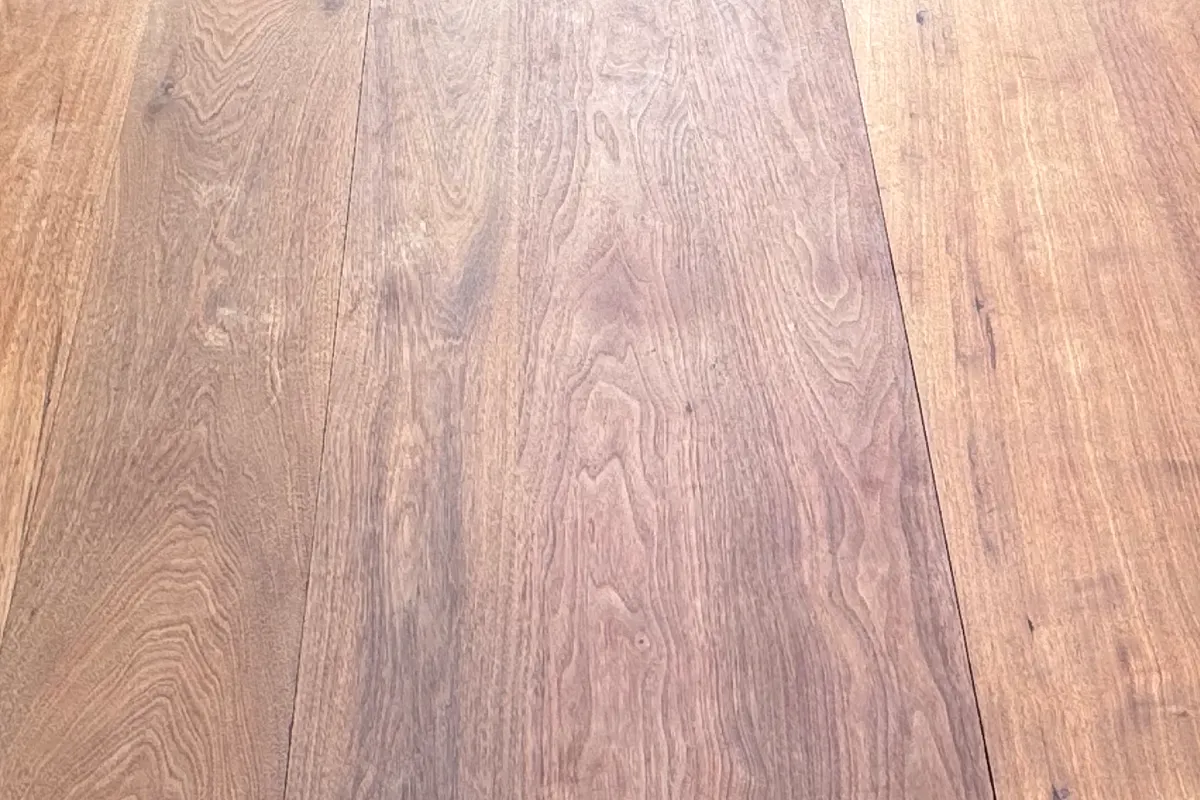
Identification summary
This entry reports an identification recorded on 2026-09-05T03:28:11.985Z as English oak wood, with Origin reported as Temperate Europe. The scan metadata is the authoritative source for these reported values.
The record names the species and origin but does not include a numeric confidence score, detailed measurements, or provenance documentation. Because the file did not supply condition, construction, or lab-test fields, the narrative below explains what the provided values show and what additional checks would be needed to move from a photo-based suggestion to a stronger identification.
Era
| Era | Not provided in scan data |
|---|
Origin
| Reported origin | Temperate Europe |
|---|
Material
| Reported material | english oak wood (as recorded by the scan) |
|---|
Condition
| Condition | Not provided in scan data |
|---|
Physical Details
| Physical details available from scan | No end-grain, dimensions, or joinery notes supplied |
|---|
Authentication
| Scan confidence | Not reported (scan field is null) |
|---|
Historical Significance
| Context noted | English oak is commonly associated with temperate European furniture traditions; further provenance needed for age or maker claims |
|---|
Historical context
English oak has a long history in European furniture and building work, often used for structural frames, paneling, and visible furniture surfaces from medieval through Victorian periods. The scan’s Origin value, Temperate Europe, aligns with those traditional uses but does not by itself date the piece or confirm workshop origin.
To place this reported English oak wood into a firm historical context you would typically need construction details (joint types, screws vs nails), visible tooling marks, or documentary provenance. Without those, the record should be read as a species-and-origin statement from the scan, not a full authentication or valuation.
English oak wood — identification snapshot
The scan record identifies the material as english oak wood and lists Origin as Temperate Europe; the item was recorded on 2026-09-05T03:28:11.985Z. Those two fields are the core factual claims in this entry and should be treated as what the scan reported, not as independent verification.
The record does not provide a numeric confidence score or specific physical measurements. Because the scan metadata is limited, the identification is best read as a reported species and origin rather than a finished authentication. A photo-based report can highlight likely species-level features but cannot confirm maker, exact age, or market value by itself.
Practical next steps after this kind of scan are to inspect end grain, exposed edges, joinery, and any visible ray flecking in person. Those checks typically change a tentative photo identification into a more confident conclusion when combined with provenance and construction details.
- Reported identification: english oak wood (from the scan metadata)
- Reported origin: Temperate Europe (scan field)
- Recorded date: 2026-09-05T03:28:11.985Z
- Missing from scan: condition notes, physical dimensions, end-grain photos, and a numeric confidence score
Key reported attributes and what they tell you
The most useful reported values are species and origin. A label of english oak wood plus Temperate Europe suggests the wood is consistent with the European Quercus species group, which helps narrow lookalikes, but does not eliminate American oaks or other species with similar surface grain.
Because the scan did not include construction or end-grain notes, you cannot verify whether the surface is solid oak, oak veneer, or a composite with oak-facing. Exposed edges and end-grain photos are the decisive evidence for that distinction; veneer patterns and consistent plank thickness typically indicate veneer over a substrate, while continuous end-grain through an edge favors solid wood.
Authentication hinges on multiple data points: documented provenance, joinery types, tool marks, and lab tests when necessary. The scan’s missing fields mean the identification should trigger targeted checks rather than acting as final proof.
- What the Origin field proves: geographic sourcing is plausible but not documentary proof of provenance.
- What the species label proves: surface appearance and automated or human classification identified oak-like features; it is not a lab confirmation.
- What a photo alone cannot prove: solid-versus-veneer construction, internal repairs, past restorations, or maker attribution.
- Recommended immediate checks: photograph end grain, record joinery, note hardware and tool marks, and compare with reference pages like Types of Oak Wood: Visual Clues and Safe Next Steps (https://woodidentification.app/identify/types-of-oak-wood).
Historical context for English oak wood in Europe
English oak has historically been a primary furniture and construction timber in temperate Europe, prized for strength and durability. Its role spans simple vernacular pieces to richly carved panels and frame-and-panel furniture, so reported origin aligns with common historical use but is not diagnostic on its own.
In an identification workflow, historical context helps prioritize which physical checks matter. For example, if a photographed cabinet purports to be 18th-century English oak, look for frame-and-panel construction, pegged mortise-and-tenon joints, and period-appropriate nails or screws. Absent those construction clues, a species match alone is insufficient to support a historical claim.
For deeper context and comparative examples, consult related identification examples such as Black Oak Wood — Key Clues and What They Prove (https://woodidentification.app/examples/types-of-oak-wood/black-oak-wood-key-clues-and-what-they-prove) and the broader Types of Oak Wood: Visual Clues and Safe Next Steps page (https://woodidentification.app/identify/types-of-oak-wood). These resources outline which visible clues commonly separate English oak from close lookalikes.
More Types Of Oak Wood identifications
Related guides
Organize your photos and compare visible clues
If this scan raised questions, gather end-grain, joinery, and edge photos and use Wood Identifier - Wudora to catalog them and compare visible clues side-by-side. Wudora is a practical next step to keep your evidence organized and to follow the checks described above; it does not replace hands-on inspection or professional authentication. Visit https://woodidentification.app/ to learn more and start organizing your project.
Take the next step →Frequently asked questions
How certain can I be that a photo shows english oak wood?
A photo can suggest english oak wood by grain pattern, ray flecking, and pore arrangement, but certainty requires more data. End-grain images, exposed edges, joinery, and provenance documents materially increase confidence. Treat a photo-based match as a useful lead, not an appraisal-grade identification.
What visible clues best separate English oak from American white oak in a single photo?
Look for ray fleck prominence and pore arrangement: some European oaks show different ray size and alignment than North American white oak. However, lighting, finish, and surface wear change appearance; ideally add an end-grain photo and an image of a raw, unfinished edge before drawing firm conclusions.
Where does English oak sit among types of oak wood when I’m identifying furniture?
English oak is one geographic and biological subset within the broader list of types of oak wood; it shares many visual traits with other Quercus species but regional growth patterns and historical uses can help narrow possibilities when combined with construction and provenance evidence.
What should I do next after a scan that reports english oak wood?
Capture end-grain and exposed-edge photos, document joints and hardware, and assemble any provenance or labels. Use those materials for a second review or lab test if necessary. Wood Identifier - Wudora can help you organize photos and compare visible clues before deciding on further professional evaluation (https://woodidentification.app/).