
White oak
By Tomas Alder
Learn how to identify white oak using a provisional bark-photo example, the limits of the app label, and better end-grain checks for lumber or furniture.
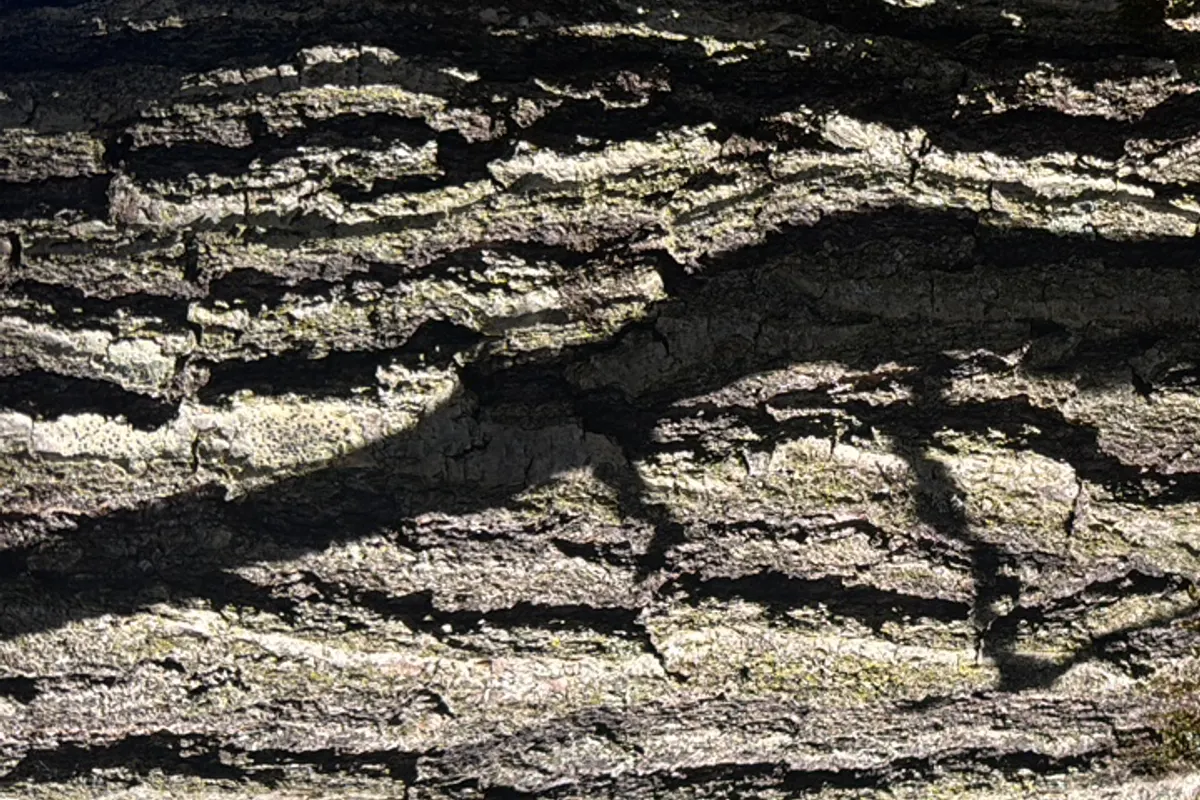
Identification summary
The app returned White oak for the selected bark photograph on October 4, 2026. This page reports that provisional result while separating bark evidence from the internal wood features used to identify lumber.
Origin: Eastern North America is the only additional reported field. It is species-context information, not verified capture or harvest provenance. No confidence score was supplied, and no cut-wood anatomy is visible in this selected image.
Scan result
| App label | White oak — provisional |
|---|---|
| Recorded date | October 4, 2026 |
Evidence
| Photograph | Close-up bark image; no cut-wood or end-grain view |
|---|---|
| Confidence score | Not reported by the selected scan |
Reported context
| Origin | Eastern North America — app-reported species context, not verified specimen provenance |
|---|
What this bark-photo example actually records
This scan, recorded on October 4, 2026, returned the app label White oak. Its selected photograph is a close-up of bark, rather than a cut board or a prepared end-grain surface. The result is a starting point for investigation, not proof of the tree’s species or the identity of lumber taken from it.
The app also reports Origin: Eastern North America. Treat that as reported species-context information. It does not document where the photograph was taken, where a particular tree grew, or where a board was harvested. No confidence score or independent botanical verification accompanies this result.
Learning how to identify white oak requires choosing evidence that fits the object. Bark, leaves, and acorns can inform a tree identification; lumber calls for wood anatomy and reliable sourcing information. Do not treat a bark texture as if it showed the pores or rays of cut wood.
Choose the next photographs for the object in front of you
For a living tree, add a whole-tree view and clear photographs of leaves, twigs, and any naturally present acorns. Note the actual observation location yourself. Bark appearance varies with age and growing conditions, and a cropped bark image alone is a weak basis for separating similar oaks.
For lumber or furniture, photograph the face and an already exposed end-grain surface with sharp focus, even lighting, and a scale. Include edges that may reveal veneer or layered construction. Do not cut, sand, or remove finish from a valuable object merely to obtain an identification photo.
Oak wood is ring-porous: larger earlywood vessels contrast with smaller later vessels within a growth ring. White-oak-group heartwood commonly has vessel blockages called tyloses, but their presence or absence is not a decisive single test. The selected bark photograph does not show these internal wood features.
- Keep tree-identification evidence separate from lumber-identification evidence.
- Broad rays on a quarter-sawn surface can support an oak identification, but also occur in red oak.
- Color varies with weathering, finish, and lighting; do not identify an oak group from color alone.
Compare oak groups without overclaiming certainty
White oak can refer to an individual species or to a wider group used in wood identification and commerce. The app’s brief label does not establish that this example is Quercus alba specifically. A documented supplier identification or a qualified wood-anatomy examination can provide stronger support when the distinction matters.
Tyloses affect how readily liquid passes through vessels, which helps explain white oak’s use in cooperage. They do not, by themselves, certify decay resistance, outdoor suitability, strength, or a particular species. Those properties require information about the actual material and intended use.
The USDA Forest Products Laboratory’s oak identification note discusses the limits of color and pore shortcuts (https://www.fpl.fs.usda.gov/documnts/fpltn/fpltn-125.pdf). For related examples and the broader types of oak wood, see https://woodidentification.app/identify/types-of-oak-wood and https://woodidentification.app/wiki/white-oak.
More Types Of Oak Wood identifications
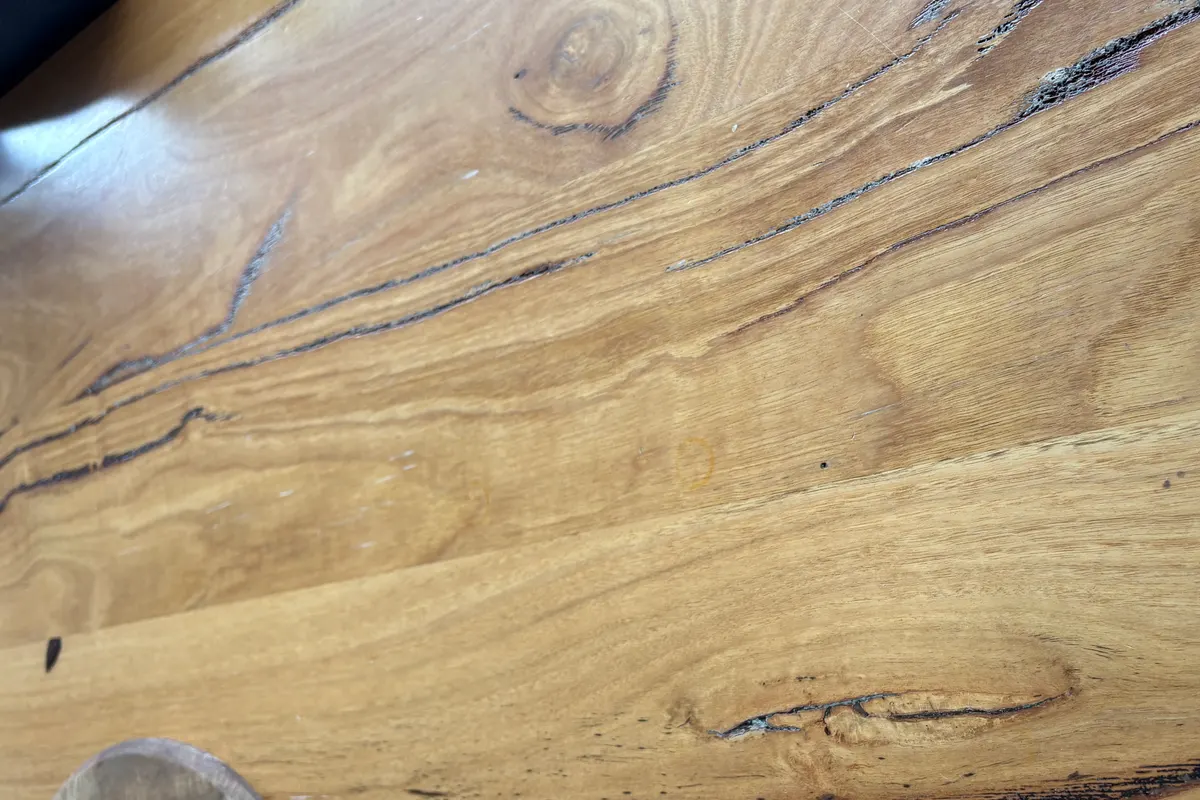
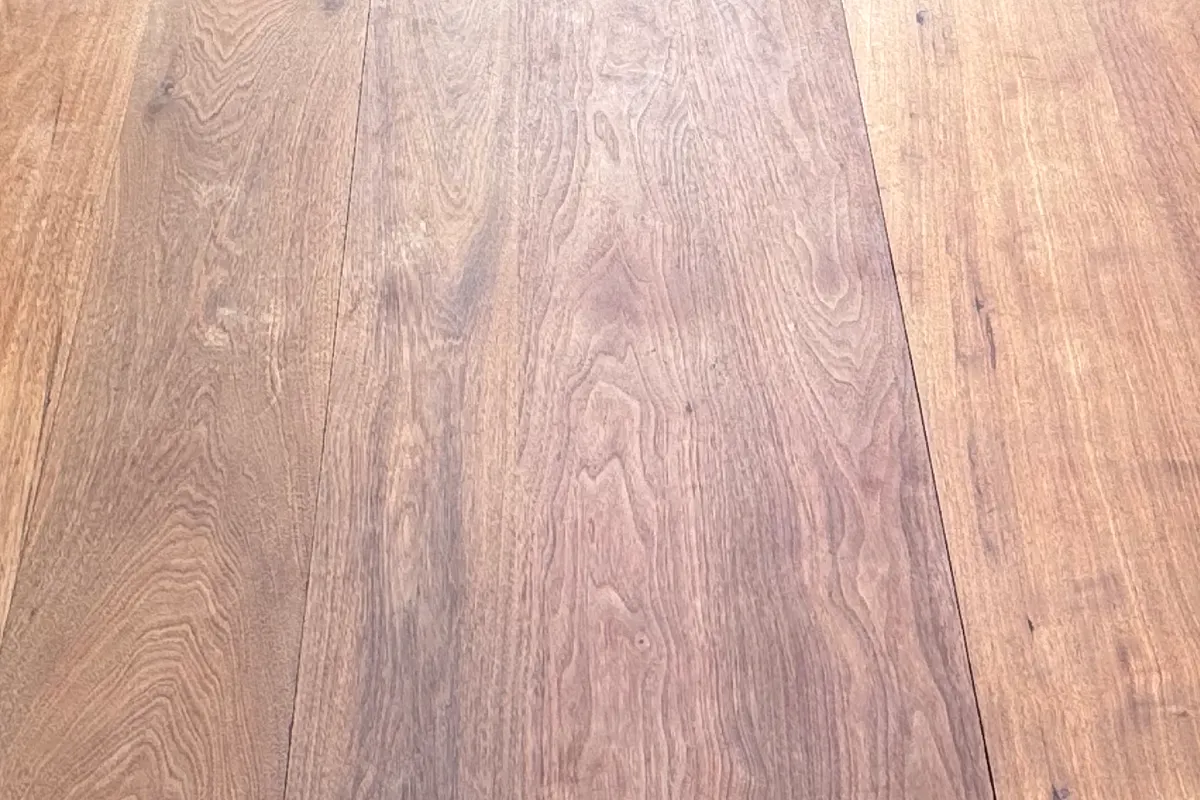
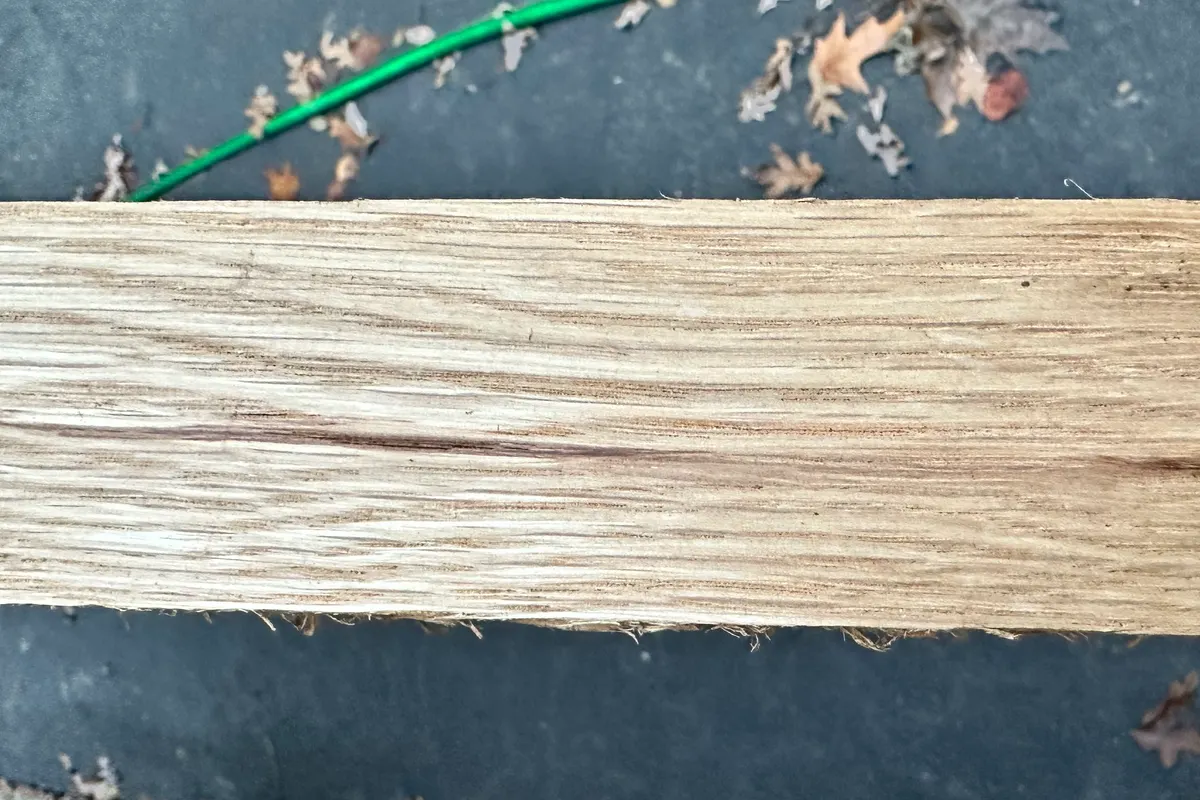
Related guides
Get a first-pass wood identification
If you have a clear photograph of the wood itself, try the Wood Identifier tool at https://woodidentification.app/tools/wood-identifier. Treat its suggestion as a starting point and compare it with appropriate reference evidence before relying on a species label.
Take the next step →Frequently asked questions
Can this bark photo confirm that a board is white oak?
No. The photograph concerns bark and does not show the internal structure of a board. Keep the app result provisional, then gather evidence from the actual tree or wood object you need to identify.
Do plugged pores always separate white oak from red oak?
No. Tyloses are useful contextual evidence, but their occurrence varies and some red oaks can also show vessel blockages. A clean end-grain comparison should consider several anatomical features together rather than relying on one pore.
Does Eastern North America establish this specimen’s origin?
No. It is a reported app field, not a documented collection or harvest location. Record the real observation location separately, and use reliable sourcing documents when provenance matters.
When should I ask for an expert wood identification?
Seek qualified help before an identification affects a valuable purchase, structural work, conservation, or another consequential decision. Supply useful photos and any reliable sourcing information. Typical joinery or an undocumented seller’s description cannot establish wood species on its own.